

Every birth is a miracle, a testament to the power and beauty of life itself.
What is a Midwife?
Midwives are highly skilled professionals who specialize in normal childbirth, offering individualized support throughout pregnancy, labour, delivery, and postpartum.
Midwives play an essential role in ensuring positive outcomes during this life-changing event by focusing on promoting healthy pregnancies and facilitating informed decision-making.
Midwives practice a holistic approach to childbirth, taking into consideration physical, mental, emotional, spiritual and social aspects of the birthing experience.
They strive to create an environment where mothers feel supported and respected at all times. This includes education about different options including medications or interventions when needed.
Private Midwives in South Africa...
Private Midwives in South Africa are registered by the South African Nursing Council, having completed their professional nursing education and then advanced their skills in Midwifery. These midwives undergo extensive training and are bound by regulations to conduct their practice in a manner that is both ethical and legal, maintaining a high standard of professionalism. As your primary caregiver throughout your pregnancy, a registered private Midwife will be present at your birth, whether it occurs at home or in a birthing center, providing care before, during, and after childbirth for both you and your baby. A registered, private, independent Midwife is a skilled medical expert dedicated to ensuring the safety of both the mother and the baby at every stage.
These independent midwives aim to alleviate the stress associated with pregnancy and childbirth, assisting mothers in achieving a positive, natural and non-routine interventionist approach to giving birth
The following outlines some of the advantages of midwifery care
Enhanced continuity of care
Engaging a single primary caregiver throughout the course of pregnancy can significantly improve outcomes by fostering a consistent relationship between the patient and the healthcare provider. This continuity facilitates better communication and builds stronger trust, which can lead to more informed health decisions.
Decreased intervention rates
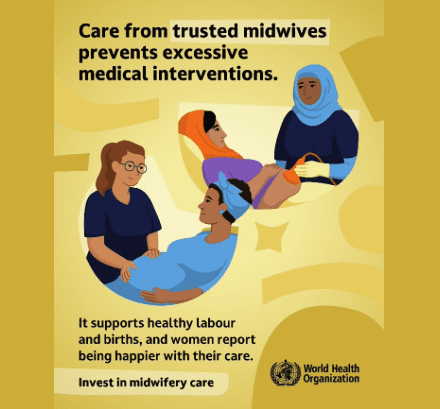
Through the application of evidence-based practices, midwives are able to closely monitor both the pregnancy and the infant, thereby implementing strategies that reduce the need for interventions such as labour induction or cesarean deliveries when they are not necessary
Empowerment and education
Midwives offer not only physical support but also emotional reassurance through their continuous compassionate presence during labour and delivery. They dedicate time both before and after childbirth to educate mothers on various topics, including breastfeeding techniques, postpartum recovery, newborn care essentials, and mental health promotion, thereby equipping them with the knowledge needed to make informed choices regarding their health and that of their baby
Increased overall satisfaction
Research indicates that women who receive care from midwives often report higher satisfaction levels with their experiences compared to those under obstetric-led care.
This is attributed to the emphasis on choice and autonomy rather than a hierarchical authority structure
(Brocklehurst et al., 2015)
What is the Difference between a midwife and a midwife specialist?
A Midwife Specialist is a registered professional nurse and midwife who possesses advanced knowledge and skills in midwifery and neonatology. This professional holds an additional post basic (masters) qualification in the field and is officially registered with the South African Nursing Council. They are equipped to manage both low-risk and high-risk pregnancies, labour, and postpartum care. (SANC. Competencies -Midwife Specialist: May 2014; Government notice no. 368,2014)